
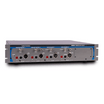
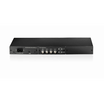

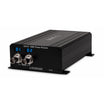
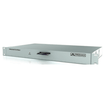
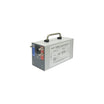
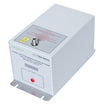
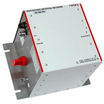
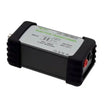
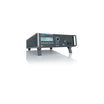
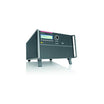

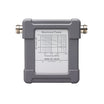



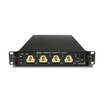
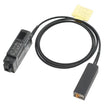



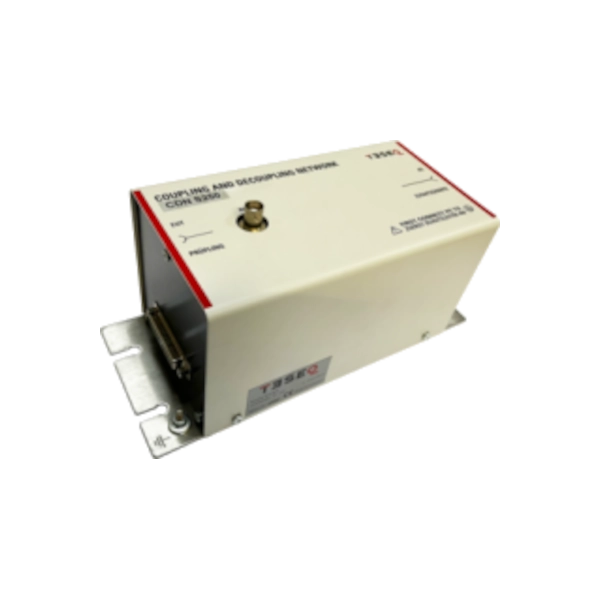
Teseq CDN S900-10 D-Sub
Use our chat for technical support or contact us via +45 31 33 18 19 or salg@GOmeasure.dk
- Frequency Range: 10 kHz to 80 MHz
- Connector EUT Port: D-Sub 9 pins
- Connector AE Port: D-Sub 9 pins
- Line Parameters: 9 screened lines¹
- Application Configuration: Data line up to Number of wires
- AC max. voltage (L-GND): 150 V
- DC max. voltage (L-GND): 150 V
- Current Max: 250 mA
- Test Voltage, 2 sec.: 500 V DC
-
Common Mode Impedance (EUT Port):
- 10 kHz to 24 MHz: 150 Ω ±20 Ω
- 24 MHz to 80 MHz: 150 Ω +60 Ω/-45 Ω
- Footnote: ¹: Compatible to RS 232 application

Discover the possibilities
More information
Description
- Coupling networks designed for IEC/EN 61000-4-6
- S series for screened line applications
- CDN Series for D-Sub specific applications
- Model with starting frequency from 10 kHz as NAMUR NE 21 specifies
According to IEC/EN 61000-4-6, the CDN S for D-Sub is designed to assess the immunity of equipment connected via D-Sub connectors against conducted RF disturbances within the frequency range of 10 kHz to 230 MHz. Teseq’s CDN S models enable the introduction of RF interference while preserving the integrity of data transmission through D-Sub connections. By effectively simulating real-world EMI conditions, these CDNs help manufacturers validate the performance and reliability of their D-Sub connected equipment, ensuring that devices remain operational under various interference scenarios.
Specifications
Documents
Options
Video
- Coupling networks designed for IEC/EN 61000-4-6
- S series for screened line applications
- CDN Series for D-Sub specific applications
- Model with starting frequency from 10 kHz as NAMUR NE 21 specifies
According to IEC/EN 61000-4-6, the CDN S for D-Sub is designed to assess the immunity of equipment connected via D-Sub connectors against conducted RF disturbances within the frequency range of 10 kHz to 230 MHz. Teseq’s CDN S models enable the introduction of RF interference while preserving the integrity of data transmission through D-Sub connections. By effectively simulating real-world EMI conditions, these CDNs help manufacturers validate the performance and reliability of their D-Sub connected equipment, ensuring that devices remain operational under various interference scenarios.