

































Noise Measurements
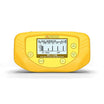
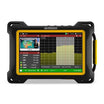
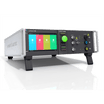
World-class experts in the field of sound and vibration measurements discuss everything there is to know about noise measurement.
The most important thing to know about measuring sound measurement is that it’s the transmission of energy through vibrating air particles, which is a form of vibration. As a result, sound measurements are concerned with changes in local air pressure caused by noise energy.
You can study the following topics in this section of the course:
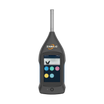
- ANSI/ASA S1.4-2014/Part 1 / IEC 61672:1-2013 sound level meters and noise sampling
- IEC 61652 noise dosimeters and noise exposure
- IEC 61672 noise monitoring terminals and environmental noise monitoring
Select article

Environmental Noise Monitoring
Environmental noise refers to unwanted or harmful sound that originates from human activities such as transportation, industrial operations, construction, and urban development.

Occupational Noise Exposure
Occupational noise exposure refers to prolonged exposure to loud sounds in work environments, which can lead to hearing loss, fatigue, and reduced performance.

Building Acoustics
Building acoustics is the science of controlling sound within a built environment. It involves managing sound transmission, reverberation, and insulation to create spaces that are comfortable, functional, and compliant with industry standards.

Industrial Machine Noise
Industrial machine noise refers to the sound energy emitted by mechanical systems such as motors, compressors, gearboxes, fans, and pumps during normal or abnormal operation. These acoustic signals often contain rich information about the mechanical health, alignment, and efficiency of machinery.