

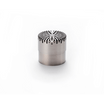
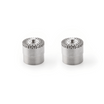
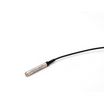
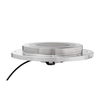
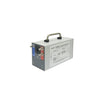
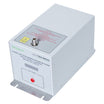
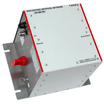
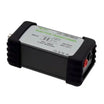










OCXOs
Oven Controlled Crystal Oscillators
Safran OCXOs (oven controlled crystal oscillators) offer the perfect balance between power consumption and frequency stability, delivering 10-7 and 10-8 type of frequency stability while optimizing battery life. This makes our quartz based timing devices ideal for demanding embedded applications in space, aeronautics, military, and general industries where performance in harsh environments and low power consumption are essential. Where stable and accurate timing is critical, Safran exceeds industry standards.
What is an OCXO?
OCXO stands for Oven-Controlled Crystal Oscillator. It is a type of crystal oscillator that maintains a stable operating temperature using a small oven, resulting in high frequency stability.
What’s the benefit of using an OCXO instead of other crystal oscillators?
OCXOs offer superior frequency stability compared to other types of crystal oscillators, such as TCXOs and VCXOs. This makes them ideal for applications requiring precise timing, like telecommunications, aerospace, and navigation systems.
How does temperature impact the performance of OCXOs?
OCXOs are designed to operate in a controlled environment to minimize the effects of temperature variations on frequency stability. Safran’s OCXOs maintain optimal performance across a wide temperature range, making them reliable even in harsh environmental conditions.
What types of products and systems can benefit from using an OCXO?
Some examples include:
Telecommunications Equipment
- Base stations
- Network synchronization systems
- High-speed data transmission systems
GNSS/GPS Systems
- GPS receivers
- GNSS timing modules
- Navigation systems
Military and Aerospace Applications
- Radar systems
- Communication satellites
- Guidance and control systems
Test and Measurement Instruments
- Spectrum analyzers
- Signal generators
- Frequency counters
Broadcasting Equipment
- TV transmitters
- Radio transmitters
- Studio equipment for synchronization
Scientific Instruments
- High-precision clocks
- Particle accelerators
- Medical imaging devices
Data Centers and Servers
- Timing servers
- Network time protocol (NTP) servers
- Precision timing modules
What should I consider when selecting an OCXO?
Frequency Stability: Look for an OCXO with low frequency drift to maintain precise timing over a range of temperatures. This is crucial for applications requiring long-term accuracy, like telecommunications or GPS systems.
Phase Noise: Choose an OCXO with low phase noise if your application involves sensitive signal processing or communications, as it affects signal clarity and system performance.
Power Consumption: Ensure the power requirements align with your system’s capabilities. Low power consumption is particularly important for battery-operated or energy-efficient devices.
Environmental Conditions: Assess the operating temperature range and resistance to environmental factors like vibration or humidity, especially for applications in harsh or fluctuating conditions.